 WeChat:

You Are Here:Home > Information dynamics
> Industry dynamics
NEWS CENTER
Recommended news
- What are the applications of customizing display racks in supermarkets
- Briefly introduce the wood grain transfer printing promotion table
- What is the scalability of medium-sized storage shelves
- How to reflect the product display effect of convenience store shelves
- How to do the layout of shelves in internet famous snack shops
Recommended products

What are the advantages of customized display racks
source:jt9998.cn | Release time:2025-06-10
Customized display shelves are display tools tailored to the company's characteristics, product needs, and spatial environment. Compared to standardized shelves, their core advantages are reflected in personalized adaptation, company reinforcement, and experience optimization. The specific advantages are as follows:
1. Correctly align with the company's tone and product characteristics
Visual consistency: Customization of styling, materials, and lighting based on the company's VI system (such as logo, main color tone, font) can enhance the company's recognition.
Example: Some companies often use metal and glass materials to showcase texture, while fast-moving consumer goods companies often use bright colors to attract attention.
Product exclusive display: Design structures based on product size, weight, and shape (such as irregular grooves, layered brackets, and load-bearing brackets), highlighting product details.
Example: The jewelry display rack is equipped with scratch resistant velvet lining and spotlights, while the watch display rack is designed with an independent transparent cover to protect the exhibits.
2. Efficiently utilize space to enhance display flexibility
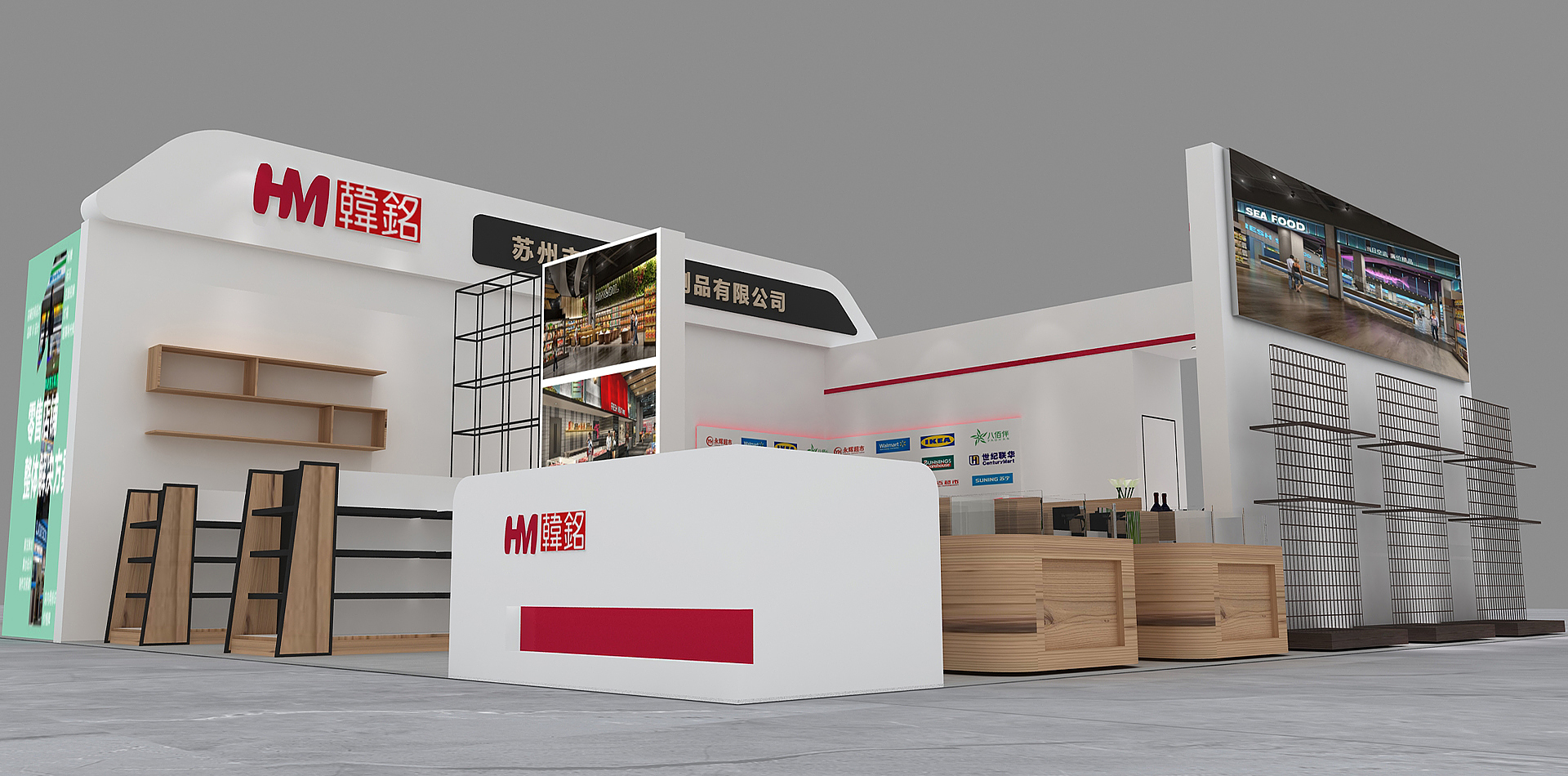
Space customization: Irregular structures can be designed according to the size and shape of the store/exhibition venue (such as corners, pillars, curved walls) to avoid space waste.
Example: Wall mounted display racks can be designed for narrow corridors, and stepped shelves can be used in high-rise spaces to increase vertical display area.
Modular and detachable design: Supports layering, combination, or folding for easy transportation, installation, and adjustment, adapting to temporary exhibitions or seasonal display changes.
Example: Exhibition display racks often use quick installation aluminum alloy frames, which can be quickly disassembled and stored after the exhibition.
3. Enhance user experience and sales conversion
Guiding the flow and focusing on key points: guiding customers' line of sight through height, lighting, and layout design, highlighting the main promoted products or promotional areas.
Example: Customized display shelves at the entrance of supermarkets are tilted at an angle to make promotional products more visible; The cosmetics counter uses LED spotlights to focus on celebrity items.
Interactivity and experience upgrade: It can integrate electronic screens, touch devices, trial use areas, and other functions to enhance customer engagement.
Example: The digital product display rack is embedded with an experience screen, and customers can directly try out the prototype; Set up a sample collection area on the beauty display stand to promote trial use.
4. Durability and long-term cost advantages
Material and process optimization: Choose wear-resistant, fireproof, and corrosion-resistant materials (such as stainless steel, high-density board, acrylic) according to the usage scenario to extend the service life.
Example: Outdoor display racks are made of galvanized steel to prevent rust, while shopping mall display racks use environmentally friendly baked paint panels to prevent scratches.
Reduce duplicate investment: Although one-time customization is costly, it correctly matches the needs and avoids frequent replacement of standardized shelves due to mismatched sizes and styles, making it more economical in the long run.
5. Adapt to diverse scene demands
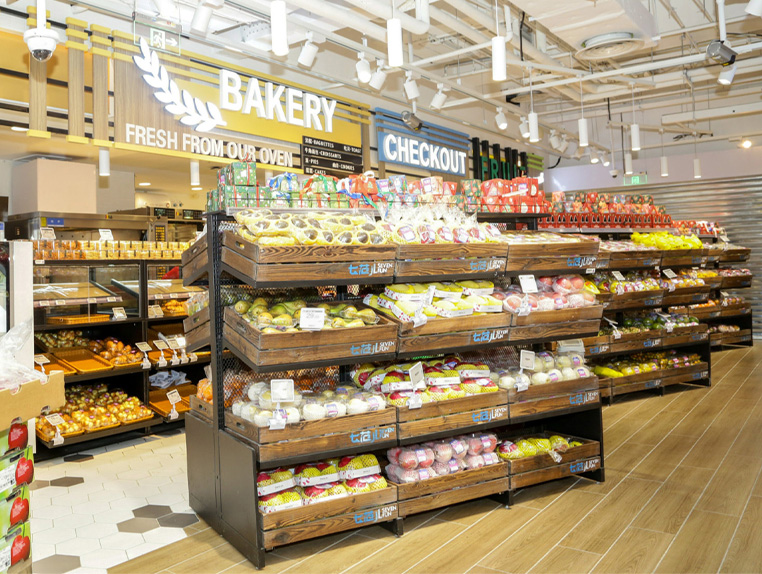
Retail scene: shopping mall counters, specialty stores, supermarket storefronts, used for company image display and product sales.
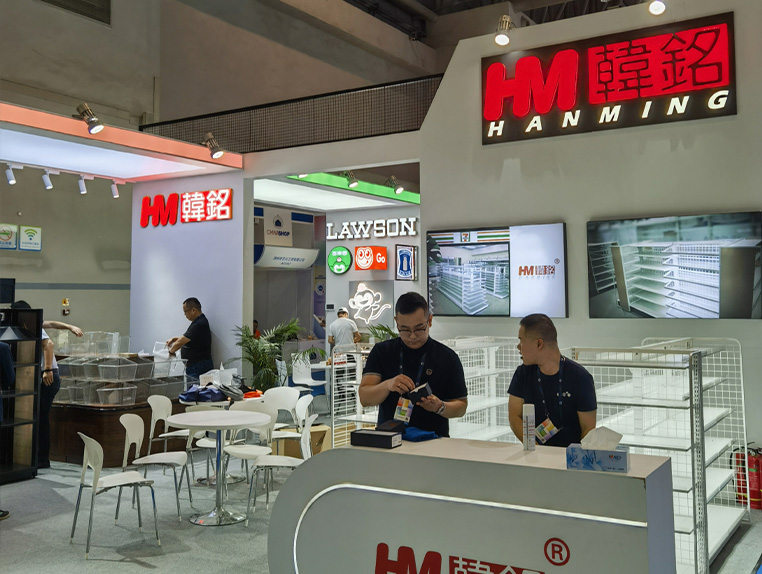
Exhibition scene: booth construction, new product launch, quickly conveying company information and attracting visitors to stop.
Special scenario: Protection and display of cultural relics/exhibits in museums and science museums (such as UV resistant glass, constant temperature and humidity control).
1. Correctly align with the company's tone and product characteristics
Visual consistency: Customization of styling, materials, and lighting based on the company's VI system (such as logo, main color tone, font) can enhance the company's recognition.
Example: Some companies often use metal and glass materials to showcase texture, while fast-moving consumer goods companies often use bright colors to attract attention.
Product exclusive display: Design structures based on product size, weight, and shape (such as irregular grooves, layered brackets, and load-bearing brackets), highlighting product details.
Example: The jewelry display rack is equipped with scratch resistant velvet lining and spotlights, while the watch display rack is designed with an independent transparent cover to protect the exhibits.
2. Efficiently utilize space to enhance display flexibility
Space customization: Irregular structures can be designed according to the size and shape of the store/exhibition venue (such as corners, pillars, curved walls) to avoid space waste.
Example: Wall mounted display racks can be designed for narrow corridors, and stepped shelves can be used in high-rise spaces to increase vertical display area.
Modular and detachable design: Supports layering, combination, or folding for easy transportation, installation, and adjustment, adapting to temporary exhibitions or seasonal display changes.
Example: Exhibition display racks often use quick installation aluminum alloy frames, which can be quickly disassembled and stored after the exhibition.
3. Enhance user experience and sales conversion
Guiding the flow and focusing on key points: guiding customers' line of sight through height, lighting, and layout design, highlighting the main promoted products or promotional areas.
Example: Customized display shelves at the entrance of supermarkets are tilted at an angle to make promotional products more visible; The cosmetics counter uses LED spotlights to focus on celebrity items.
Interactivity and experience upgrade: It can integrate electronic screens, touch devices, trial use areas, and other functions to enhance customer engagement.
Example: The digital product display rack is embedded with an experience screen, and customers can directly try out the prototype; Set up a sample collection area on the beauty display stand to promote trial use.
4. Durability and long-term cost advantages
Material and process optimization: Choose wear-resistant, fireproof, and corrosion-resistant materials (such as stainless steel, high-density board, acrylic) according to the usage scenario to extend the service life.
Example: Outdoor display racks are made of galvanized steel to prevent rust, while shopping mall display racks use environmentally friendly baked paint panels to prevent scratches.
Reduce duplicate investment: Although one-time customization is costly, it correctly matches the needs and avoids frequent replacement of standardized shelves due to mismatched sizes and styles, making it more economical in the long run.
5. Adapt to diverse scene demands
Retail scene: shopping mall counters, specialty stores, supermarket storefronts, used for company image display and product sales.
Exhibition scene: booth construction, new product launch, quickly conveying company information and attracting visitors to stop.
Special scenario: Protection and display of cultural relics/exhibits in museums and science museums (such as UV resistant glass, constant temperature and humidity control).
Previous:
What are the applications of lightweight storage …
Next:
What are the design features of convenience store…
【Related articles】
【Related Products】
Consultation hotline0512-52436990

- Product series
- Storage shelves
- Supermarket shelves
- Scenario display
- Supermarket shelves
- Cashier
- Wall shelf
- product display
- other parts
- product display
- Kitchen supplies
- Cleaning supplies
- Fruit and vegetable food
- Maternal and Child Home Furnishings
- About Us
- Website homepage
- About Us
- Contact Us
- News Center
- MESSAGE
 home
home
 WeChat
 telephone